Skip to main content

Landscape Resilience

Green and Black: Intersecting wildland fire, climate science, and biocultural restoration to facilitate landscape resilience of frequent fire ecosystems in the interior Northwest

This page offers resources that provide land managers and other stakeholders with practical information related to enhancing landscape resilience through green restoration and post-fire management of vegetation in a changing climate, including science syntheses, infographics, webinars, and web-based tools. Not all materials listed are peer-reviewed and this is not an exhaustive inventory. If you have questions or suggestions on the topics, please reach out to us.

About:

Enhancing landscape resilience in the frequent fire forested ecosystems of the interior northwest is a priority for federal, state, and local agencies, tribes, private landowners, and communities in the wildland urban interface. A fire-resilient landscape is defined as a “socio-ecological system that accepts the presence of fire, while preventing significant losses through landscape management, community engagement, and effective recovery” (Thacker et al., 2023). However, climate change imposes significant complications for how land managers and communities prepare for and respond to wildfire. Climate-related stressors are disrupting forest health and function, forcing land managers to reconsider how forest management practices will look going forward, including species selection, noxious weed control, managing native and non-native pests and disease, reforestation methods, stand density guidelines, and riparian zone management. These have inherent impacts on key components of wildland fire management, including managing fuel loads, prescribed fire, and post-fire recovery. 

As forested landscapes experience more wildfire and climate impacts, and managers increase their restoration efforts at larger spatial scales, there are numerous opportunities and challenges for implementing “green restoration”, determining post-fire objectives and treatment options “in the black”, and integrating both pre-and post-fire management to support landscape resilience. Achieving long-term resilience in these systems in the context of a changing climate will require intersecting wildfire management with advancements in climate adaptation science. It will also involve connecting processes and management tools across pre-and post-fire settings. In some cases, it may require re-defining local characteristics and measures of resilience or identifying change of state transformations. Community engagement and multiple-use models of land management can provide additional benefits and stability to landscape resilience efforts.  Drawing from successful examples of biocultural restoration, including among tribal land managers and indigenous communities, can facilitate cross-boundary management and long-term stewardship. 

Learn more about proactively managing for landscape resilience ahead of wildfires

Image
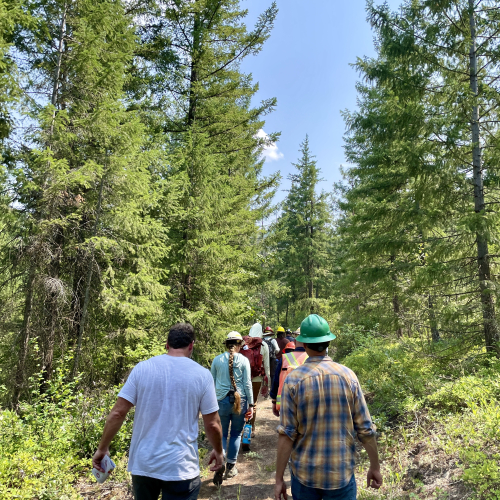
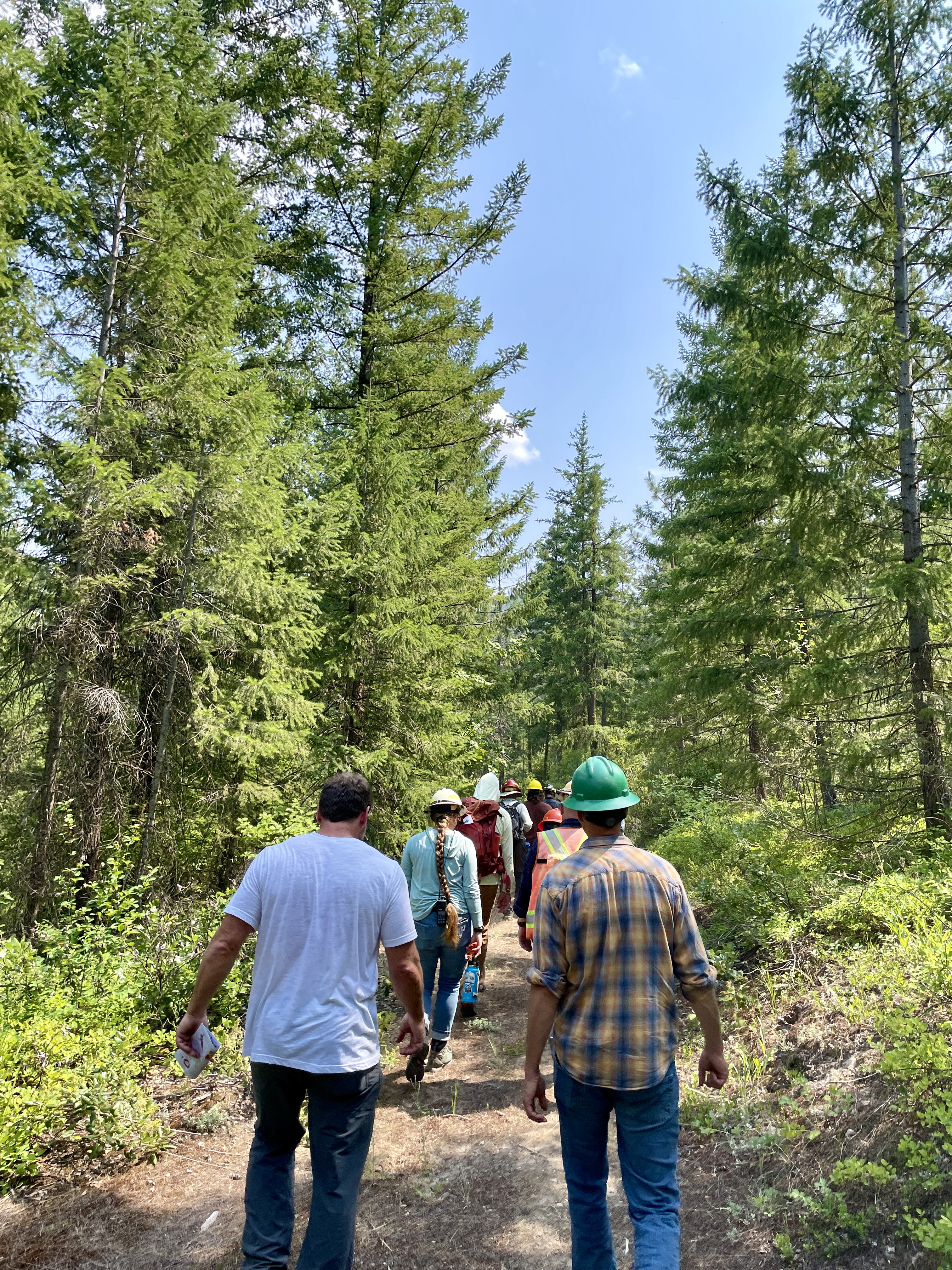
Land managers walking in a green forest

There is no single definition of what it means to proactively manage landscapes with wildfire resilience in mind. This topic page focuses on science about managing vegetation across larger landscapes before wildfires such that it is ready to receive fire with reduced fire severity, mortality, and loss to important values. This includes assessing fire hazards and values at risk, prioritization of management actions, managing fuels at scale, restoring fire as a natural process, social and policy dimensions, and connecting pre-fire and fire response activities.  

Image
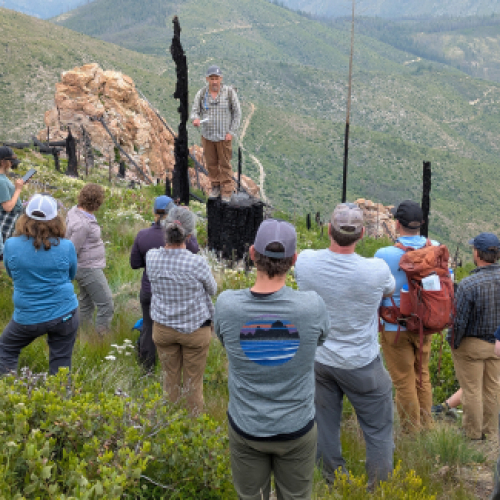
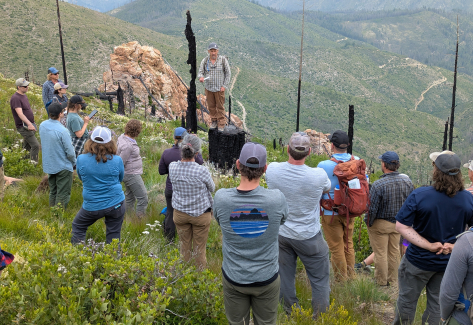
workshop participants on a slope with charred tree trunks

Postfire restoration is a growing challenge in a changing climate but is also an opportunity to enhance both wildfire and climate resilience simultaneously. Accomplishing this requires intersecting climate and wildfire science, integrating management tools and activities, and leveraging the “work of wildfire” to create desired conditions.  This topic page hosts science-based resources organized by sub-themes related to postfire restoration to support land manager’’s efforts to manage “in the black”.

Displaying 1 - 1 of 1